Skip to content

Get an Instant Roof Cost Estimate →

Need a new roof or repairs?

  • Call (628) 233-8140
  • Home
  • About
    • Who We Are
    • Why Choose Us?
  • Roofing Services
    • Roof Inspection
    • Roof Installation
    • Roof Repair
    • Roof Replacement
    • Skylight Installation
  • Commercial
    • Commercial Roofing Contractors
    • Commercial Roof Installation
    • Commercial Roof Repairs
  • Materials
    • Asphalt Shingles
    • Metal Roof Panels
    • Clay & Concrete Tiles
    • Skylight Installation
    • TPO Flat Roof
    • Flat Roof Contractors
    • Flat Roof Repair
    • Flat Roof Installers
  • Service Area

    San Francisco Bay Area

    • Alamo
    • Belmont
    • Berkeley
    • Burlingame
    • Danville
    • Dublin
    • Fremont
    • Los Gatos
    • Millbrae
    • Milpitas
    • Oakland
    • Orinda
    • Palo Alto
    • Piedmont
    • Pleasanton
    • Pleasant Hill
    • Redwood City
    • Richmond
    • San Bruno
    • San Carlos
    • San Francisco
    • San Jose
    • San Leandro
    • San Lorenzo
    • San Mateo
    • San Pablo
    • San Ramon
    • South San Francisco
    • Walnut Creek

    Marin County

    • Belvedere
    • Corte Madera
    • Fairfax
    • Kentfield
    • Larkspur
    • Mill Valley
    • Novato
    • Ross
    • San Anselmo
    • San Rafael
    • Sausalito
    • Tiburon
    • Tamalpais-Homestead Valley
  • Roof Cost Calculator
  • Gallery
  • FAQs
  • Blog
Contact
  • Roof Installation

How to Compare Roofing Estimates (What Most Homeowners Miss)

Michael Machkovsky

  • Roof Installation
Comparison infographic showing a discount roofing estimate with vague materials and no license mention next to a professional proposal with detailed materials, warranty, and CSLB verification.

Getting multiple roofing estimates is a smart move. But most homeowners don’t actually know how to compare them.

If you only look at price, you risk choosing the wrong contractor—and paying more in the long run.

Here’s exactly how to compare roofing estimates the right way.

Quick Answers to FAQs

What should a roofing estimate include?

A complete roofing estimate should include the scope of work, the materials being used, the project timeline, and warranty details. These elements allow homeowners to accurately compare one estimate against another.

Why do roofing estimates vary so much between contractors?

Roofing estimates vary because contractors differ in the materials they specify, the labor standards they apply, the complexity of the roof, and how much of the scope of work they include. Two estimates for the same home can look very different because they aren’t accounting for the same components.

What do low roofing estimates often leave out?

Low roofing estimates often exclude underlayment upgrades, flashing replacement, ventilation improvements, decking repairs, and cleanup or disposal. Leaving these components out can directly affect how well the roof performs and how long it lasts.

How do you compare roofing estimates side by side?

Comparing roofing estimates effectively means reviewing the scope of work, comparing the materials specified, checking what is included versus excluded, and evaluating warranty coverage — rather than looking at the bottom-line number alone.

What questions should homeowners ask when comparing roofing estimates?

Homeowners should ask what exactly is included in the estimate, whether additional costs could come up later, what materials are being used and why, how long the project will take, and what warranty is provided. Clear answers to these questions reveal the real differences between quotes.

What are red flags in a roofing estimate?

Red flags in a roofing estimate include a vague or unclear scope of work, no inspection performed before the quote was written, missing material details, and pressure to sign quickly. These signs suggest the estimate may not be reliable.

How do you choose the right roofing contractor?

Choosing the right roofing contractor comes down to verifying licensing and insurance, confirming experience with similar projects, checking verified customer reviews, and reviewing a clear, detailed estimate. A contractor worth hiring will explain their estimate rather than simply hand over a number.

Why isn't the lowest roofing estimate always the best option?

The lowest roofing estimate isn’t always the best option because it may exclude critical components, specify lower-quality materials, or result in a shorter roof lifespan that leads to additional repairs down the line. A more complete estimate often delivers better long-term performance.

What is included in a high-quality roofing estimate?

A high-quality roofing estimate typically includes full system replacement rather than just surface materials, proper underlayment and waterproofing, flashing and ventilation upgrades, structural repair allowances, and a clear timeline and scope of work.

How many roofing estimates should a homeowner get?

Most homeowners should collect two to three roofing estimates. This provides enough detail to compare contractors thoroughly without becoming overwhelmed by too many quotes.

What should you look for in a roofing estimate?

A roofing estimate should include:

  • Scope of work
  • Materials being used
  • Project timeline
  • Warranty details
  • Total cost

These five elements make it possible to accurately compare one estimate to another.

Why is it important to compare roofing estimates carefully?

Roofing estimates often vary because contractors include different materials, labor, and levels of work.

If you don’t compare them carefully, you may:

  • choose a low estimate that leaves out critical work
  • underestimate the true cost of your project
  • end up paying for repairs later

Comparing estimates properly helps you make a confident, informed decision.

Why do roofing estimates vary so much?

Roofing estimates vary based on:

  • material quality
  • labor costs
  • roof complexity
  • scope of work
  • contractor experience

Even for the same home, estimates can differ significantly because not all contractors include the same components.

What factors cause price differences in roofing quotes?

Common reasons roofing quotes vary include:

1. Materials used

Higher-quality materials cost more but last longer.

2. Scope of work

Some estimates include full replacement systems, while others only cover basic installation.

3. Roof complexity

Steeper roofs or complex designs require more labor.

4. Hidden repairs

Some contractors include structural repairs upfront, others do not.

5. Labor standards

Experienced crews and proper installation practices increase cost—but improve performance.
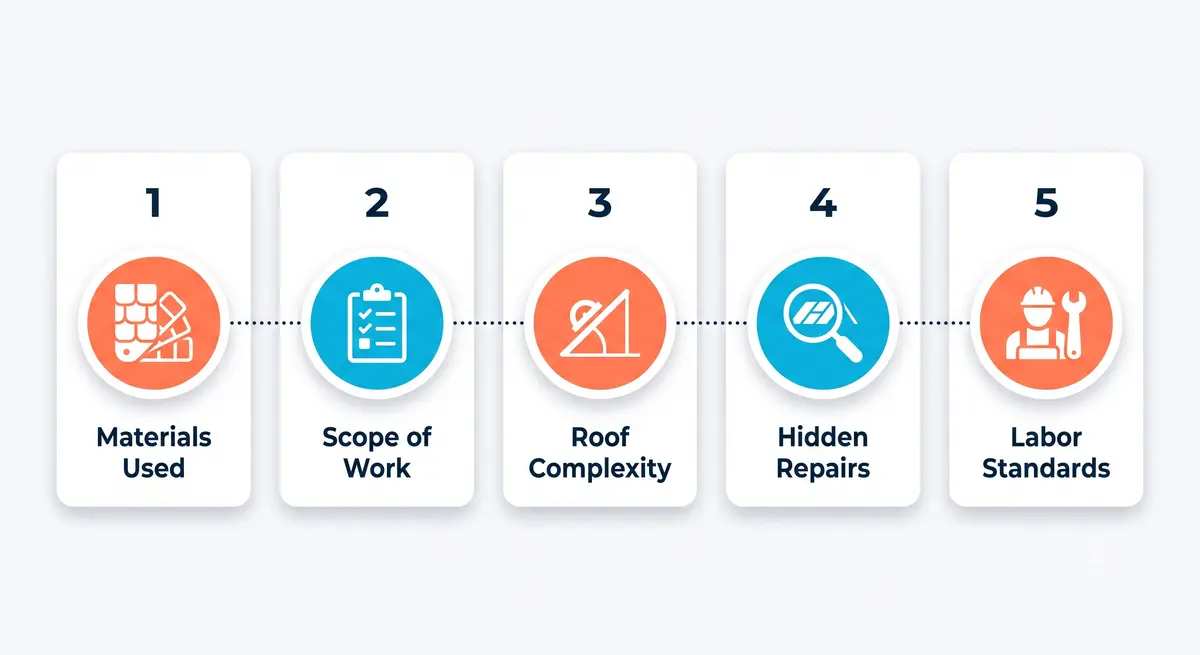
Icon infographic listing five factors that affect roofing estimate pricing: materials used, scope of work, roof complexity, hidden repairs, and labor standards.

What do low roofing estimates often leave out?

Low roofing estimates often exclude:

  • underlayment upgrades
  • flashing replacement
  • ventilation improvements
  • decking repairs
  • cleanup and disposal

These missing components can significantly impact the performance and lifespan of your roof.
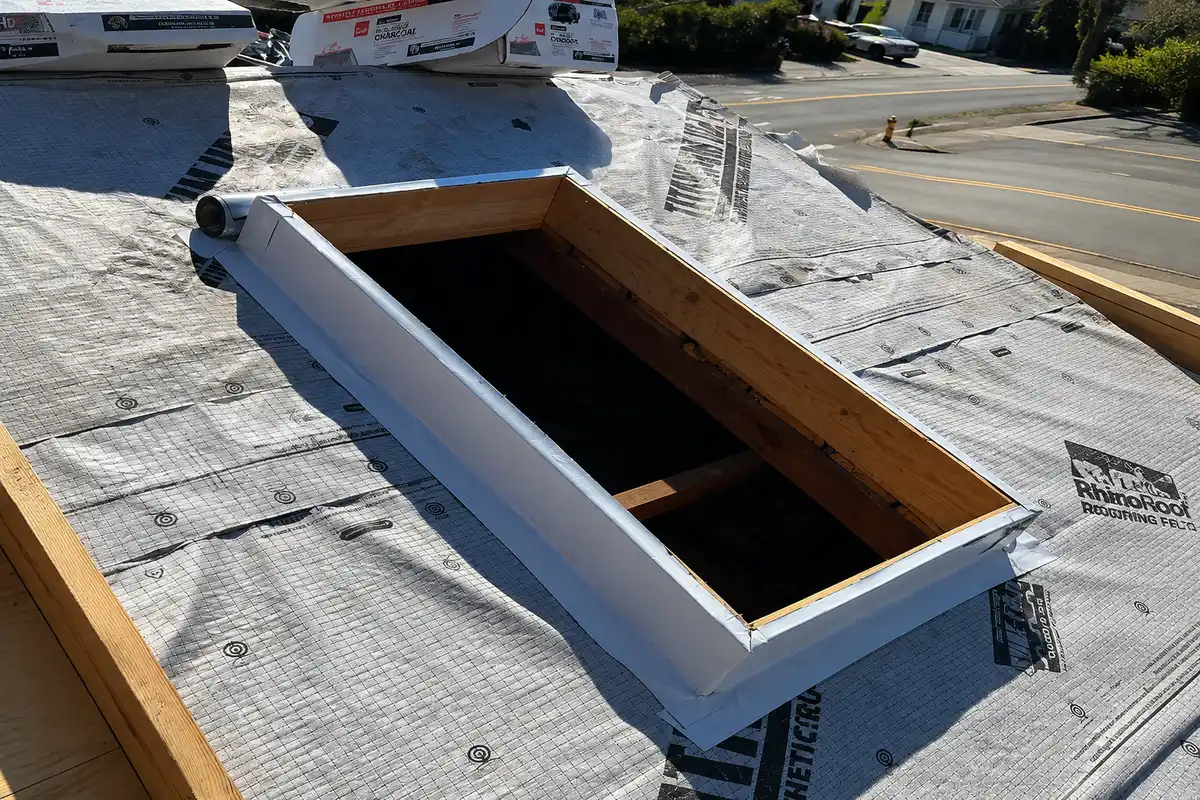
Close-up of a skylight curb framed and wrapped with synthetic roofing underlayment during a roof replacement project.

Why are low roofing estimates risky?

Low estimates can be risky because they:

  • cut corners on materials
  • exclude necessary work
  • rely on change orders later

What looks cheaper upfront can become more expensive over time.

How do you compare roofing estimates side by side?

To compare roofing estimates effectively:

  1. Review the scope of work
  2. Compare materials used
  3. Check what is included vs excluded
  4. Evaluate warranty coverage
  5. Look beyond total price

This approach ensures you are comparing the actual value—not just the number.

What questions should you ask when comparing estimates?

Ask contractors:

  • What exactly is included in this estimate?
  • Are there any potential additional costs?
  • What materials are being used and why?
  • How long will the project take?
  • What warranty is provided?

Clear answers help you identify differences between quotes.

What are red flags in a roofing estimate?

Watch for these red flags:

  • vague or unclear scope
  • unusually low pricing
  • no inspection performed
  • missing material details
  • pressure to sign quickly

These are signs the estimate may not be reliable.

How do you choose the right roofing contractor?

Choose a contractor based on:

  • licensing and insurance
  • experience with similar projects
  • verified customer reviews
  • clear and detailed estimates
  • communication and transparency

The right contractor will explain their estimate—not just give you a price.

Why isn’t the cheapest roofing estimate the best option?

The cheapest estimate is not always the best because it may:

  • exclude critical components
  • use lower-quality materials
  • result in shorter roof lifespan
  • lead to additional repairs

A slightly higher estimate often provides better long-term value.

What is included in a high-quality roofing estimate?

A high-quality estimate typically includes:

  • full system replacement (not just surface materials)
  • proper underlayment and waterproofing
  • flashing and ventilation upgrades
  • structural repair allowances
  • clear timeline and scope

This ensures your roof performs correctly over time.
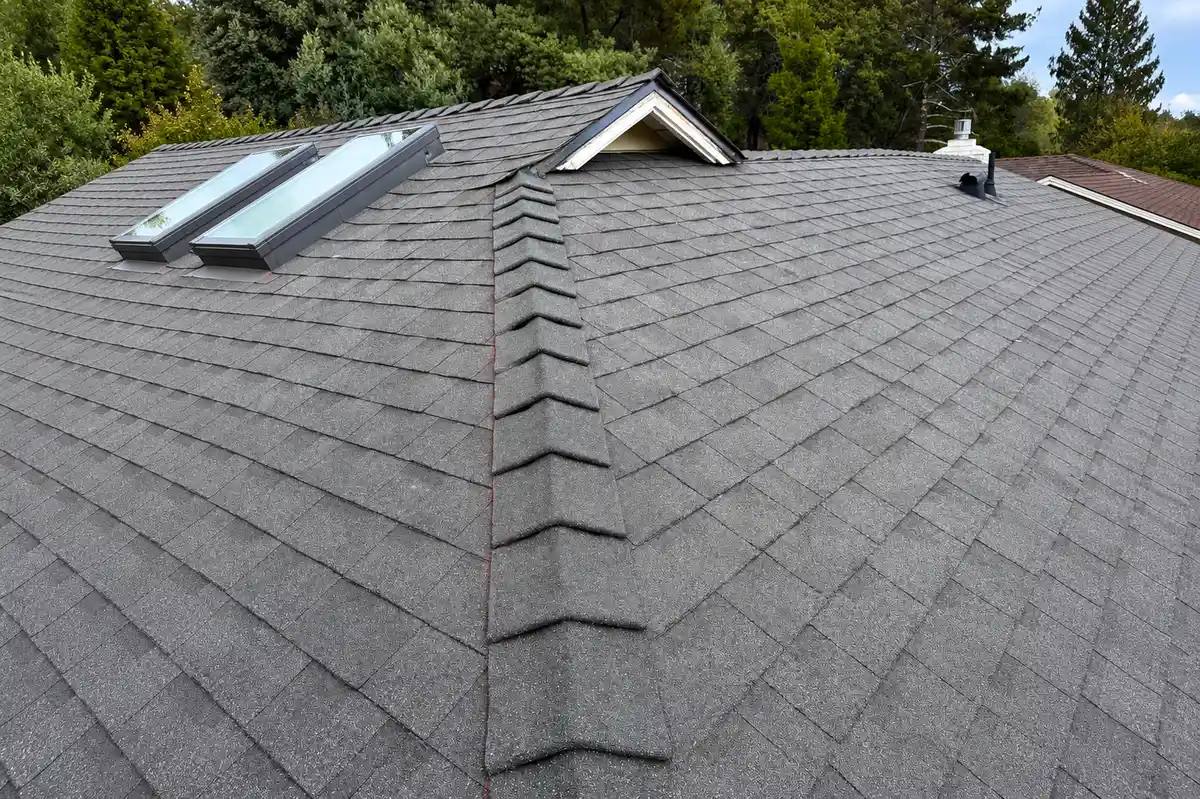
Aerial view of a completed asphalt shingle roof with skylights, ridge cap detailing, and clean valley flashing on a residential home.

How do you avoid overpaying for a roof?

To avoid overpaying:

  • compare multiple detailed estimates
  • understand what is included in each quote
  • avoid choosing based on price alone
  • focus on long-term performance and durability

The goal is value—not just the lowest number.

How many roofing estimates should you get?

Most homeowners should get:

  • 2 to 3 estimates

This gives you enough data to compare without becoming overwhelmed.

What happens after you choose a roofing estimate?

After selecting a contractor:

  • the project is scheduled
  • materials are prepared
  • work begins on the agreed timeline

Clear communication ensures the project runs smoothly.
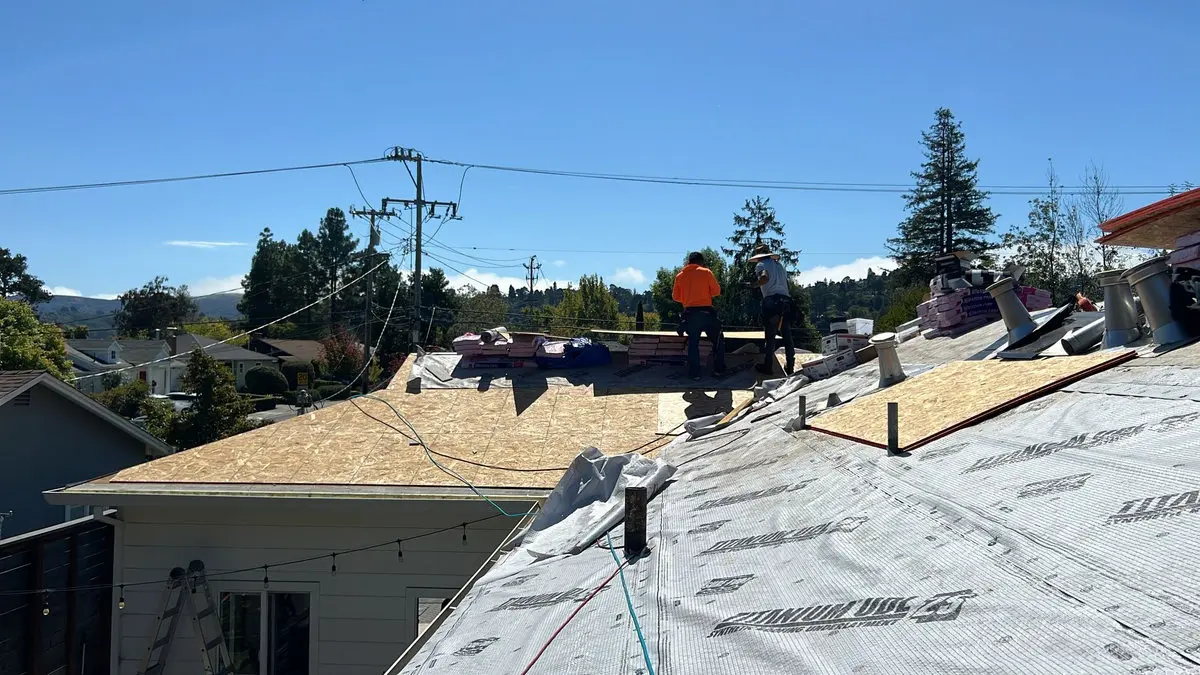
Roofing crew installing plywood decking and underlayment on a residential roof replacement project on a clear day.

How to make the best decision when comparing roofing estimates

To make the best decision:

  • focus on scope, not just price
  • prioritize quality materials and workmanship
  • choose a contractor you trust
  • make sure everything is clearly documented

A well-informed decision protects your investment and avoids future issues.

Ready to compare roofing estimates?

If you’re getting multiple quotes, make sure you understand what each one includes.

The best estimate is not the cheapest—it’s the one that clearly defines the work, uses the right materials, and delivers long-term performance.

Request a detailed roofing estimate to get a clear, accurate picture of your project.

 

Views: 2

Search ideas & guides for your remodel

Sign up for our newsletter

Subscribe to receive the latest blog posts to your inbox every week.

Newsletter

Consent

By subscribing you agree to with our Privacy Policy.

Recent Posts

  • All Posts
  • Commercial Roofing
  • Home Restoration
  • Roof Inspection
  • Roof Installation
  • Roof Repair
  • Roof Replacement
Aerial view of a hillside home with a dark asphalt shingle roof, solar panels, and wood decks surrounded by trees.

Insurance and Roof Claims Guide

Five-step infographic for choosing a roofing contractor in Marin County: verify the license, confirm insurance, check local experience, compare itemized estimates, and review ratings and warranty terms.

How to Choose a Roofing Contractor in Marin County

Infographic of a Marin County home mid-reroof beside the five roofing permit steps: confirm jurisdiction, submit application, plan review, roof work, and final inspection, with possible coastal, septic, and energy code reviews.

Roofing Permits in Marin County: What Homeowners Need to Know

Attic cross-section showing cool air entering soffit vents, passing through baffles over insulation, and warm air exiting a ridge vent.

Roof Ventilation & Attic Guide

Comparison chart of TPO, EPDM, and asphalt shingle roofing showing lifespan, energy reflectivity, and cost differences for flat vs. sloped roofs.

TPO & Flat Roofs in the Bay Area: Cost, Lifespan, and Repair vs. Replace

Map diagram showing an atmospheric river moisture band traveling from the tropical Pacific Ocean to the San Francisco Bay Area coastline.

How Atmospheric Rivers Damage Bay Area Roofs — What Homeowners Should Watch For

Diagram showing how Marin's marine layer fog causes granule loss, algae growth, and trapped attic moisture that shorten asphalt shingle roof life from 25–30 years to 10–15 years.

Why Asphalt Shingle Roofs Fail Early in Marin’s Marine-Layer Climate

Three-stage roof repair process diagram showing emergency repair, temporary repair, and permanent repair for Marin County roof leaks.

Roof Leak Triage in Marin: Emergency vs. Temporary vs. Permanent Repair

Hero infographic comparing overlay versus full tear-off roof replacement, showing shingle layers, deck inspection status, and cost differences.

The Re-Roofing Process: What to Expect, Overlay vs. Tear-Off

Share this post
  • Roof Installation
Picture of Michael Machkovsky
Michael Machkovsky
Michael serves as CEO at Marina Bay Roofing and brings seven years of hands-on roofing and construction experience to the team. Born and raised in the Bay Area, he’s dedicated to helping homeowners feel confident in the work protecting their homes. When he’s not on the job, you’ll find him spending time with his 7-year-old son.

Blog

Related posts

Lorem ipsum dolor sit amet, consectetur adipiscing elit.

Aerial view of a hillside home with a dark asphalt shingle roof, solar panels, and wood decks surrounded by trees.
Roof Inspection
Michael Machkovsky

Insurance and Roof Claims Guide

Filing a roof insurance claim is one of the most

Read More »
October 27, 2026
Five-step infographic for choosing a roofing contractor in Marin County: verify the license, confirm insurance, check local experience, compare itemized estimates, and review ratings and warranty terms.
Roof Installation
Michael Machkovsky

How to Choose a Roofing Contractor in Marin County

Marin County homeowners eventually face the same question: how do

Read More »
October 26, 2026
Infographic of a Marin County home mid-reroof beside the five roofing permit steps: confirm jurisdiction, submit application, plan review, roof work, and final inspection, with possible coastal, septic, and energy code reviews.
Roof Installation
Michael Machkovsky

Roofing Permits in Marin County: What Homeowners Need to Know

Getting a permit in Marin County follows a process that

Read More »
October 26, 2026
View All

Sign up for our newsletter

Join Our Community for Updates and roof renovation Insights

Newsletter

Consent

Ready to imagine your own project?

Request Your Personalized Consultation

and let’s talk about your space, your ideas, and how we can bring them to life.

Quick links
  • Home
  • About
  • Roofing Services
  • Commercial Roofing
  • Materials
  • Gallery
  • FAQ
  • Blog
  • contact
Services
  • Roof Inspection
  • Roof Installation
  • Roof Repair
  • Roof Replacement
  • Skylight Installation
Contact Us

Locations:
4411 Geary Blvd #301
San Francisco, CA 94118
Phone: (628) 233-8140

710 C Street Suite 208
San Rafael, CA 94901
Phone: (415) 860-7257

Email: [email protected]

License & Certifications

State Contractor License #1133789

Fully Licensed • Bonded • Insured

Find Us on Map

Proudly serving our community with honesty, craftsmanship, and care.

© 2026Marina Bay Roofing Inc.

Privacy Policy

Terms of Service

Facebook-f Yelp Instagram